TL;DR:
- Cross-verified forensics confirms findings through independent methods, ensuring evidence reliability.
- Implementing blind verification minimizes human bias and meets legal standards like Daubert.
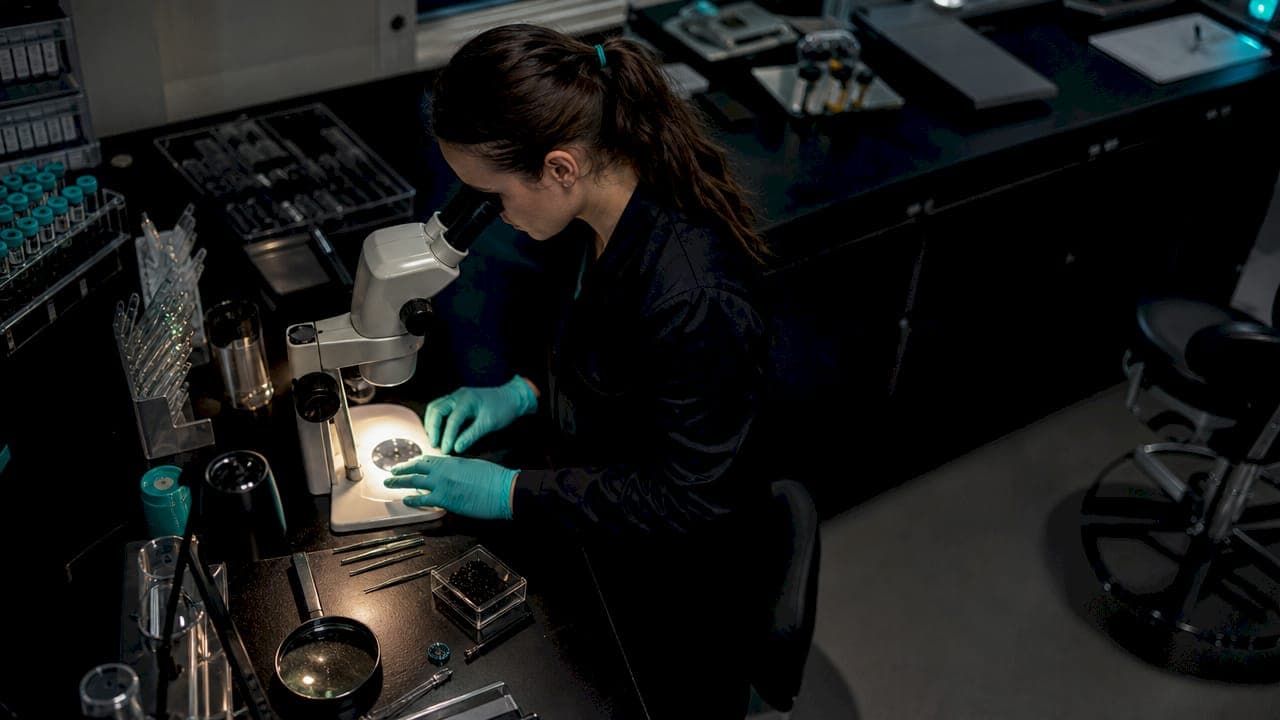
Cross-verified forensics is defined as the independent confirmation of forensic findings by a second qualified examiner or methodology, without reliance on the first examiner's conclusions. This process is the foundation of forensic evidence accuracy in both incident response and legal proceedings. For cybersecurity professionals and legal experts, understanding why cross-verified forensics matter is not academic. It determines whether digital evidence survives courtroom scrutiny or collapses under cross-examination. Standards such as Federal Rule of Evidence 702, NIST guidelines, and the Daubert criteria now shape what courts accept as reliable forensic science, and cross-verification sits at the centre of all three.
Why cross-verified forensics matter: methods and definitions
Cross-verification in forensic science takes three primary forms: blind verification, open verification, and external cross-validation. Each serves a distinct purpose, and choosing the wrong method for a given case carries real legal risk.
Blind verification is the most rigorous approach. The second examiner works entirely without access to the first examiner's notes, conclusions, or case context. Blind verification acts as the final barrier against false identifications, precisely because it removes the psychological scaffolding that confirmation bias builds. The examiner reaches their own conclusion independently, and only then are the two results compared.
Open verification allows the second examiner to review the first examiner's work before conducting their own analysis. This is faster and less resource-intensive, but it introduces the risk of anchoring. If the second examiner sees a conclusion they broadly agree with, they are less likely to challenge it rigorously.
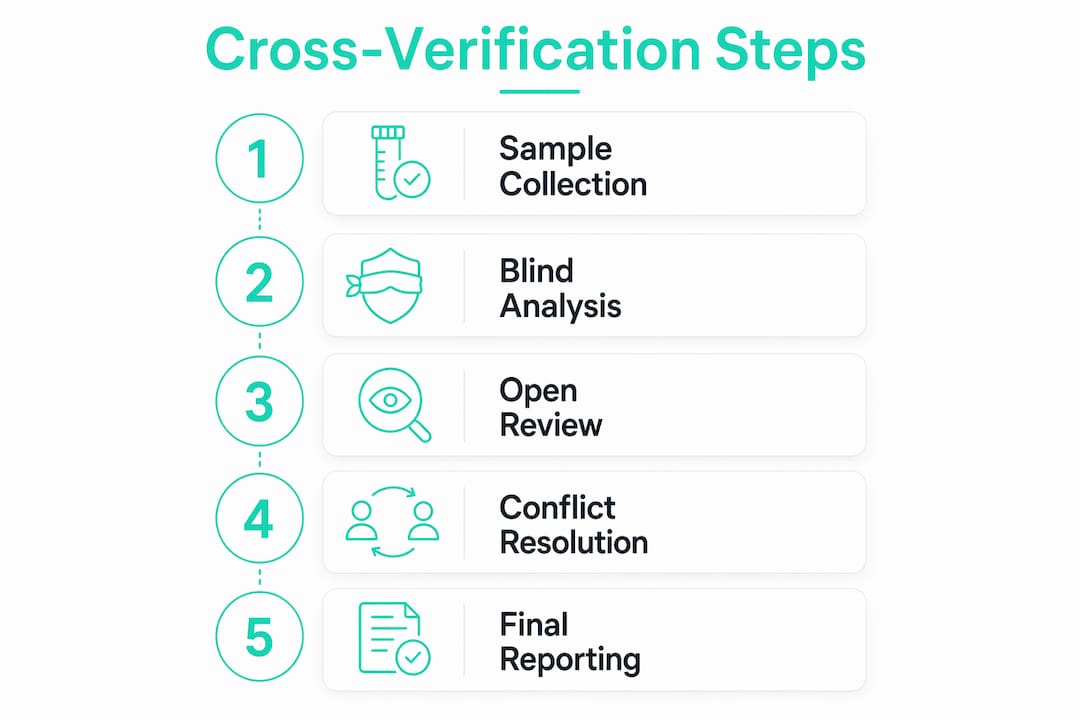
External cross-validation involves an independent party, often using a different algorithm or methodology, confirming that the same input produces the same output. Third-party cross-validation provides tamper-evidence and auditability that courts increasingly demand for software-driven forensic analysis.
The practical differences between these methods matter:
- Blind verification produces the highest evidentiary integrity but requires more time and dedicated administrative support.
- Open verification is faster but carries a measurable bias risk.
- External cross-validation is particularly relevant for digital forensics, where algorithmic tools process evidence at scale.
Pro Tip: When preparing evidence for litigation, default to blind verification for all primary findings. Reserve open verification for secondary or corroborating evidence where speed is a legitimate operational constraint.
How does cross-verification satisfy legal admissibility standards?
Courts in the UK, the US, and across Europe apply increasingly strict tests to forensic evidence. The Daubert standard, which governs US federal courts and influences international practice, requires that forensic methodology be testable, reproducible, and subject to peer review. Daubert prong one requires methodology to be independently tested. Self-validation by the original examiner does not satisfy this requirement.
Cross-verification directly addresses each of Daubert's core prongs:
- Testability. A second examiner independently reaching the same conclusion demonstrates that the method produces consistent results. This is testability in practice, not just in theory.
- Reproducibility. External cross-validation confirms that the same input yields the same output across different tools or examiners. This is the reproducibility standard courts require.
- Peer review. Blind verification by a qualified second examiner constitutes peer review within the forensic process itself. It is not merely an academic exercise.
- Error rate. Disagreements between examiners surface the error rate of a given method. Courts can then assess whether that rate is acceptable for the evidence in question.
The 2026 forensic evidence standards, shaped by the National Academy of Sciences, NIST, and Federal Rule of Evidence 702, place reproducibility and transparency at the centre of digital evidence validation. Forensic teams that cannot demonstrate cross-verification face a growing risk of evidence exclusion.
Expert witness testimony also depends on this foundation. A forensic examiner who cannot show that their conclusions were independently verified is vulnerable to challenge on reliability grounds. Cross-verification is not a procedural nicety. It is the mechanism by which expert opinion becomes defensible evidence.
How does blind verification reduce human bias in forensic examination?
Confirmation bias is a psychological force that risks skewing forensic results when examiners are aware of colleagues' findings. Even the most experienced forensic examiners are vulnerable to subconscious influence from peers' conclusions. This is not a character flaw. It is a documented feature of human cognition that affects all pattern-recognition tasks, including digital forensic analysis.
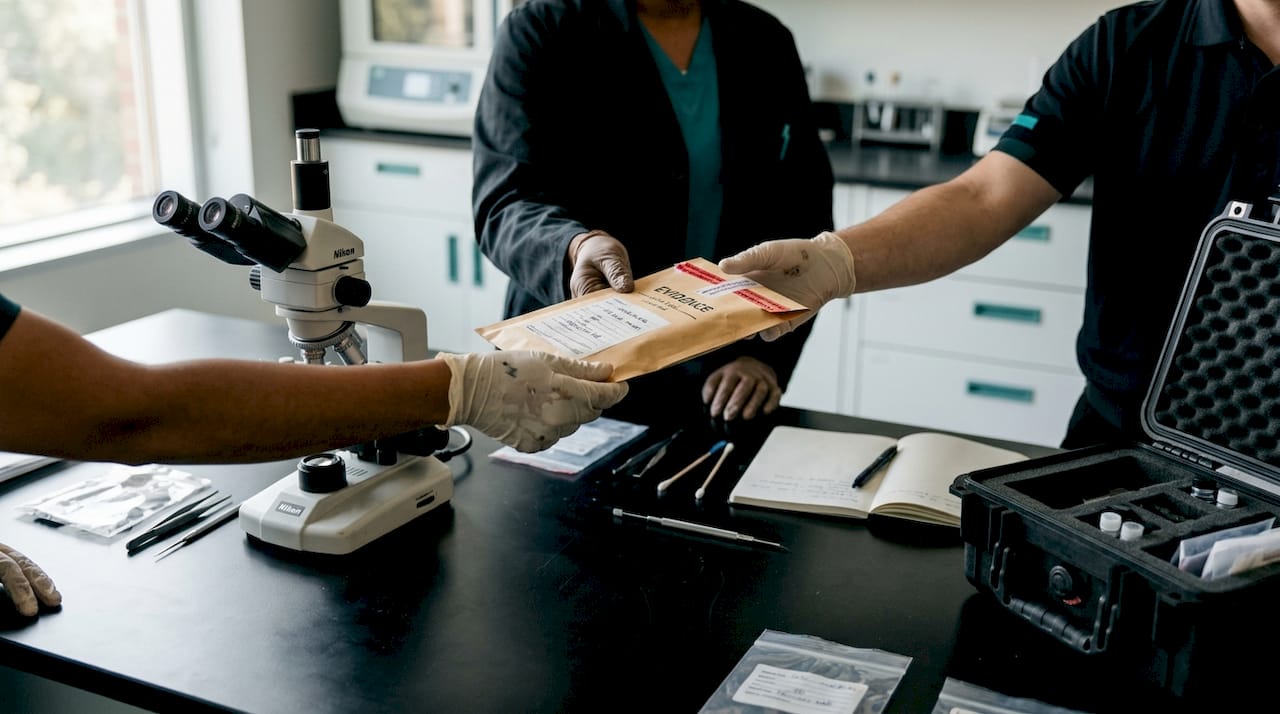
The consequences of unchecked bias in forensic work are serious. Wrongful convictions have been linked to forensic examiners who, consciously or not, interpreted ambiguous evidence in line with the prevailing theory of the case. Cross-verification, specifically blind verification, is the systemic safeguard that prevents this.
| Verification method | Bias risk | Time cost | Legal weight |
|---|---|---|---|
| Blind verification | Low | High | Highest |
| Open verification | Medium | Low | Moderate |
| External cross-validation | Low | Medium | High |
Modern forensic labs address bias through procedural and technological controls. Permission-based access systems prevent examiners from viewing peers' findings before completing their own analysis. This is not a matter of trust. It is a structural control that removes the opportunity for bias to operate.
When the two examiners disagree, a third examiner enters the process. This conflict resolution step is a feature, not a failure. It surfaces genuine ambiguity in the evidence and forces the team to document the basis for the final conclusion. That documentation strengthens the chain-of-custody record and the expert witness testimony that follows.
Pro Tip: Document every stage of the verification process, including disagreements and how they were resolved. Courts and opposing counsel will scrutinise the process as closely as the conclusion.
What are the practical costs of implementing cross-verified forensic methods?
Cross-verification is not free. Blind verification incurs higher operational costs because the second examiner starts from scratch, without the efficiency gains of reviewing prior work. Dedicated administrative and quality division staff are required to manage the process, track examiner access, and coordinate conflict resolution. These are real costs that forensic teams must plan for.
The operational implications include:
- Staffing. Blind verification requires at least two qualified examiners per case, plus administrative support to manage access controls and documentation.
- Time. Starting analysis from scratch adds time to every case. For incident response, where speed matters, this creates genuine tension with thoroughness.
- Third-party costs. External cross-validation involving independent laboratories or algorithmic verification adds a further layer of expense, particularly for complex digital evidence.
- Technology investment. Forensic labs that rely on manual access controls face higher administrative overhead. Purpose-built case management systems reduce this burden significantly.
The tension between rigour and speed is real, but it is manageable. Forensic teams that build cross-verification into their standard forensic analysis process from the outset spend less time retrofitting it when legal proceedings begin. The cost of inadequate verification, measured in excluded evidence, failed prosecutions, and civil liability, consistently exceeds the cost of doing it properly from the start.
DNA profiling must be independently typed by two scientists who must agree before reporting. Digital forensics is moving towards the same standard. Teams that treat cross-verification as optional are operating behind the curve of current legal and regulatory expectations.
Key takeaways
Cross-verified forensics is the single most effective safeguard against false identifications, evidence exclusion, and expert witness challenges in both incident response and legal proceedings.
| Point | Details |
|---|---|
| Blind verification is the gold standard | Independent analysis without peer influence produces the highest evidentiary integrity and legal weight. |
| Daubert compliance requires cross-verification | Courts demand testability and reproducibility, which self-validation alone cannot satisfy. |
| Confirmation bias affects all examiners | Permission-based access controls and blind verification remove the structural opportunity for bias. |
| Costs are real but manageable | Building verification into standard workflows reduces the long-term cost of legal challenges. |
| 2026 standards raise the bar | NIST, the National Academy of Sciences, and Federal Rule of Evidence 702 now centre reproducibility and transparency. |
The uncomfortable truth about forensic verification in practice
Having worked on the front line of DFIR investigations, I can tell you that the gap between what forensic teams claim to do and what they actually document is wider than most legal professionals realise. Cross-verification is frequently described in methodology statements but rarely implemented with the rigour that blind verification requires. The second examiner reviews the first examiner's work, nods, and signs off. That is open verification at best, and rubber-stamping at worst.
The 2026 forensic guidelines are forcing a reckoning. Courts are asking harder questions about how conclusions were reached, not just what they are. I have seen cases where technically sound forensic work was undermined because the verification process was not documented clearly enough to withstand cross-examination. The evidence was correct. The process was not provable.
The teams that will thrive under current and future legal scrutiny are those that treat cross-verification as a first-class deliverable, not an afterthought. That means investing in digital forensic investigation methods that build verification in from the start, documenting every step, and being prepared to explain the process to a judge who has never opened a forensic report before.
— Makkari
Makkarisecurity's approach to forensic validation and legal admissibility
Makkarisecurity specialises in Digital Forensics and Incident Response, and cross-verified results are built into every engagement. The proprietary forensic engine, developed over five years, delivers live memory capture and independently verified findings that meet the evidentiary standards courts now require.
For organisations facing a breach or preparing for litigation, Makkarisecurity's breach counsel and DFIR services provide court-admissible evidence supported by a documented verification process. The Eviction Pledge guarantees that once a threat actor is evicted, they will not return for a minimum of 60 days, or the client pays nothing. For teams that need forensic evidence to hold up in court, Makkarisecurity's incident response capabilities are built to that standard from day one.
FAQ
What is cross-verified forensics?
Cross-verified forensics is the process of independently confirming forensic findings through a second qualified examiner or methodology, without reliance on the first examiner's conclusions. It is the primary mechanism for ensuring forensic evidence accuracy and legal admissibility.
Why do courts prefer cross-verified forensic results?
Courts prefer cross-verified results because they satisfy the Daubert criteria for testability, reproducibility, and peer review. Self-validation by the original examiner does not meet these standards.
What is the difference between blind and open verification?
Blind verification requires the second examiner to work without access to the first examiner's conclusions, eliminating confirmation bias. Open verification allows the second examiner to review prior findings, which is faster but carries a higher bias risk.
How does confirmation bias affect forensic evidence?
Confirmation bias causes examiners to interpret ambiguous evidence in line with existing conclusions, even subconsciously. Blind verification and permission-based access controls are the primary structural safeguards against this risk.
What standards govern forensic cross-verification in 2026?
NIST, the National Academy of Sciences, and Federal Rule of Evidence 702 currently shape forensic validation requirements, with 2026 guidelines placing reproducibility and transparency at the centre of digital evidence standards.